Frequently Asked Questions
Are you a fee-only fiduciary advisor?
Yes. Canty Wealth Management is an independent, fee-only SEC Registered Investment Advisor and a fiduciary at all times. We do not sell financial products, earn commissions, or receive compensation from third parties. Our advice is structured to remain objective and aligned solely with our clients’ best interests.
How often are portfolios reviewed or adjusted?
Portfolios are monitored on an ongoing basis and reviewed regularly. Rebalancing typically occurs quarterly, with additional adjustments made when client circumstances, portfolio structure, or tax considerations warrant — not in response to short-term market movements.
Do you make tactical or market-timing decisions?
We do not attempt to predict short-term market movements or trade based on headlines.
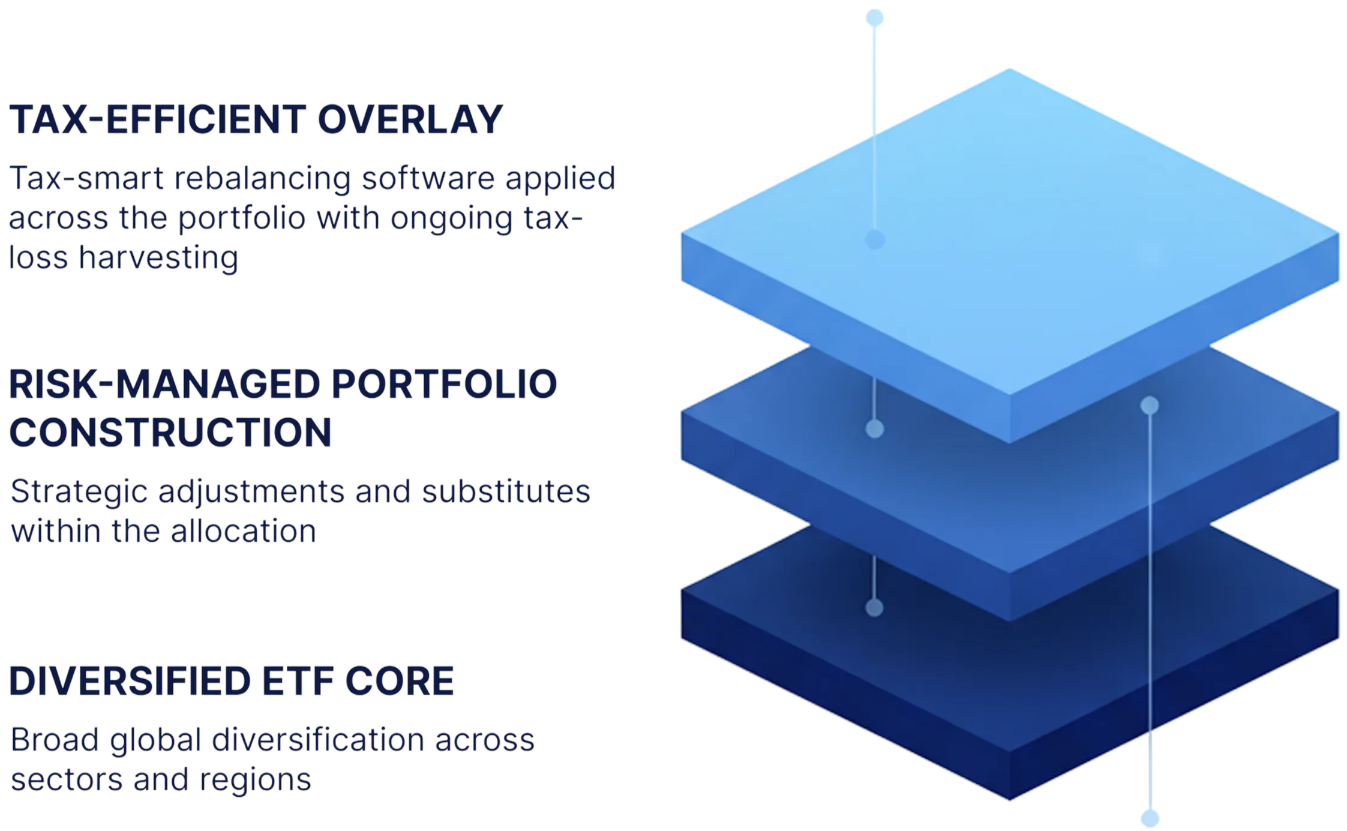
Within an established risk profile, we may implement modest, time-bound sector or regional positioning adjustments over a 12–18 month horizon when supported by longer-term valuation, economic, or structural factors. These adjustments are size-constrained, diversified, and do not change a client’s overall risk exposure.
Who is the custodian of client investment accounts?
Charles Schwab & Co., Inc. is the custodian of client investment accounts. CFM is independent and unaffiliated with Charles Schwab. Charles Schwab is an SEC-registered broker-dealer and SIPC member.
How do I review my account & performance?
Clients receive reports detailing portfolio positions, cash balances, transaction details, income, and expenses on a monthly basis from Charles Schwab. Clients are also able to access their accounts online through Charles Schwab's website and mobile app. In addition to the above, CFM mails reports to clients detailing their portfolio positions, cash balances, and top holdings. These reports are also available upon request.
What happens when my goals or circumstances change?
When life changes, portfolios adapt.
Investment decisions are revisited when retirement timing shifts, income needs evolve, assets are inherited, businesses are sold, or tax circumstances change. Adjustments are made within the context of a broader financial plan to ensure portfolios remain aligned with long-term objectives.
How do taxes factor into investment decisions?
Taxes are integrated into our investment process, not treated as an afterthought.
We coordinate portfolio management with tax planning through asset location, tax-aware rebalancing, systematic tax-loss harvesting where appropriate, and thoughtful transitions of legacy holdings — with the goal of improving long-term, after-tax outcomes.